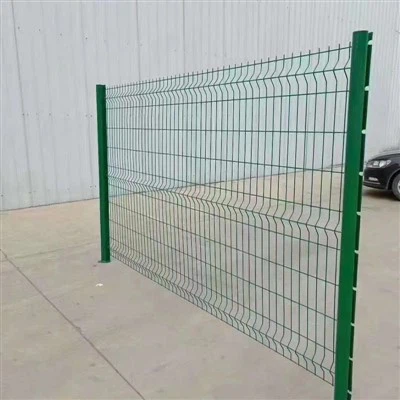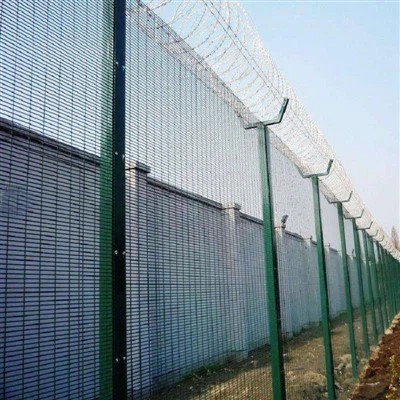

Hey there! As a supplier of Tennis Court Mesh Fencing, I often get asked about the water resistance of our products. It's a crucial factor, especially considering the various weather conditions tennis courts are exposed to. So, let's dive right into what the water resistance of tennis court mesh fencing is all about.
Understanding Water Resistance in Tennis Court Mesh Fencing
First off, water resistance refers to the ability of the fencing material to withstand the effects of water without significant damage or deterioration. For tennis court mesh fencing, this is super important because it's constantly out in the open, facing rain, humidity, and sometimes even flooding.
The main reason we need water-resistant fencing is to ensure its longevity. If the fencing isn't water-resistant, it can rust, corrode, or weaken over time. This not only affects the appearance of the tennis court but also its safety and functionality.
Materials Used in Water-Resistant Tennis Court Mesh Fencing
We use a variety of materials to make our tennis court mesh fencing water-resistant. One of the most common materials is galvanized steel. Galvanization involves coating the steel with a layer of zinc, which acts as a protective barrier against water and oxygen. This prevents rust from forming on the steel, even when it's exposed to moisture for long periods.
Another popular material is PVC-coated wire mesh. The PVC coating provides an extra layer of protection against water and other environmental factors. It's also very durable and can withstand harsh weather conditions. The PVC coating not only makes the fencing water-resistant but also gives it a nice, clean look.
How Water Resistance Affects the Performance of Tennis Court Mesh Fencing
Water resistance has a significant impact on the performance of tennis court mesh fencing. When the fencing is water-resistant, it maintains its structural integrity over time. This means it can continue to provide a secure boundary for the tennis court, keeping players and spectators safe.
A water-resistant fence also requires less maintenance. You don't have to worry about constantly repainting or treating the fence to prevent rust and corrosion. This saves you time and money in the long run.
Comparing Different Types of Water-Resistant Fencing
There are different types of water-resistant fencing available in the market, and each has its own advantages and disadvantages. For example, Double Wire Mesh Fence is known for its high strength and durability. The double wires provide extra support, making it more resistant to damage from water and other external forces.
On the other hand, Mobile Security Fence is a great option if you need a flexible and portable fencing solution. It's easy to install and remove, and it still offers good water resistance.
Airport Security Fence is another type of water-resistant fencing. It's designed to meet high security standards and is often used in areas where safety is a top priority. The materials used in airport security fences are carefully selected to ensure maximum water resistance and durability.
Testing the Water Resistance of Tennis Court Mesh Fencing
Before we sell our tennis court mesh fencing, we conduct rigorous testing to ensure its water resistance. We expose the fencing to different levels of moisture and observe how it performs over time. We also check for any signs of rust, corrosion, or other damage.
One of the tests we use is the salt spray test. In this test, we spray the fencing with a saltwater solution and monitor it for a certain period. If the fencing shows no signs of rust or corrosion after the test, it means it has good water resistance.
Maintaining Water-Resistant Tennis Court Mesh Fencing
Even though our tennis court mesh fencing is water-resistant, it still requires some maintenance to keep it in top condition. Here are some tips on how to maintain your water-resistant fencing:
- Regular Cleaning: Clean the fencing regularly to remove dirt, debris, and other contaminants. You can use a mild detergent and a soft brush to clean the fencing.
- Inspect for Damage: Check the fencing regularly for any signs of damage, such as rust, corrosion, or loose wires. If you notice any damage, repair it immediately to prevent further deterioration.
- Apply Protective Coatings: You can apply a protective coating to the fencing to enhance its water resistance. There are many different types of protective coatings available in the market, so choose one that is suitable for your fencing material.
Conclusion
In conclusion, the water resistance of tennis court mesh fencing is an important factor to consider when choosing a fencing solution. Our fencing is designed to be highly water-resistant, using materials like galvanized steel and PVC-coated wire mesh. We also conduct rigorous testing to ensure the quality and performance of our fencing.
If you're in the market for tennis court mesh fencing, don't hesitate to contact us. We can provide you with more information about our products and help you choose the right fencing solution for your needs. Whether you need a high-security fence or a portable option, we've got you covered. Let's start a conversation and see how we can meet your fencing requirements.


References
- ASTM International. (2023). Standard Test Methods for Conducting Salt Spray (Fog) Testing.
- American Fence Association. (2023). Best Practices for Fence Installation and Maintenance.