
Hey there! As a supplier of Railway Security Razor Wire, I've been thinking a lot about the impact it has on the behavior of large animals. In this blog, I'll share some insights into this topic based on my experience and the available scientific knowledge.
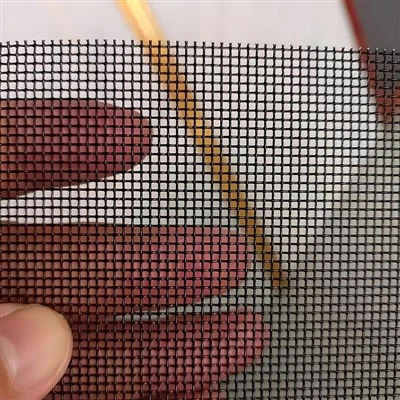
First off, let's talk about what railway security razor wire is. It's a type of fencing that's designed to provide a high - level of security along railway tracks. There are different types, like the Diamond Razor Mesh and Galvanized Razor Barbed Wire. These wires are sharp and can be a significant deterrent, not just for humans but also for large animals.
One of the most obvious effects of railway security razor wire on large animals is the physical barrier it creates. Animals such as deer, elk, and bears are used to moving freely across the landscape. When they encounter a fence with razor wire, it blocks their natural migration routes. For example, deer often follow well - established paths during their seasonal migrations. A railway security fence with razor wire can disrupt these paths, forcing them to find new ways around. This can be a real challenge, especially in areas where there are natural obstacles like rivers or steep terrain in addition to the fence.
Another effect is the psychological impact on the animals. The sight and feel of the sharp wires can be intimidating. Large animals have an instinct for self - preservation, and when they see the razor wire, they're likely to be wary. They may approach the fence cautiously, and in many cases, they'll avoid it altogether. This change in behavior can lead to a shift in their home range. They might start to avoid areas near the railway tracks that are fenced off, which can have implications for their access to food, water, and mates.
For some large predators, like bears, the razor wire can also limit their hunting opportunities. Bears often roam large areas in search of prey. If a railway security fence blocks off a significant part of their hunting grounds, they may have to travel further to find food. This can lead to increased competition with other bears in areas that are still accessible, and it can also put them at a higher risk of coming into contact with humans as they venture into new areas.
On the flip side, the presence of railway security razor wire can also have some positive effects on large animals. It can protect them from the danger of being hit by trains. Trains can be a major hazard for large animals, especially in areas where the tracks cross through wildlife habitats. By creating a physical barrier, the razor wire can prevent animals from wandering onto the tracks, reducing the number of train - animal collisions.
However, there are also some potential negative consequences that we need to consider. For instance, if an animal does try to cross the fence and gets caught in the razor wire, it can cause serious injuries. These injuries can be life - threatening, and they can also lead to long - term health problems for the animal. In some cases, an injured animal may become more vulnerable to predators or may have difficulty finding food and water.


In addition, the installation of railway security razor wire can fragment the natural habitat of large animals. This fragmentation can isolate populations, which can have a negative impact on genetic diversity. When populations are isolated, there's less gene flow between different groups of animals. This can lead to inbreeding, which can increase the risk of genetic disorders and reduce the overall health of the population.
So, what can we do to minimize the negative effects of railway security razor wire on large animals? One approach is to design fences in a way that allows for some permeability. For example, we can create wildlife corridors or underpasses near the railway tracks. These corridors can provide a safe way for animals to cross the railway without having to go through the razor wire. Another option is to use alternative fencing materials or designs that are less harmful to animals.
As a supplier of Railway Security Razor Wire, I understand the importance of finding a balance between security and wildlife conservation. We need to ensure that the railway is protected, but we also need to consider the well - being of the large animals in the area.
If you're interested in learning more about our railway security razor wire products or have any questions about how they can be used in a way that's more wildlife - friendly, feel free to reach out. We're always happy to have a chat and help you find the best solutions for your needs. Whether you're a railway operator, a conservationist, or someone else who's concerned about the impact of railway security on wildlife, we're here to assist you.
In conclusion, railway security razor wire has both positive and negative effects on the behavior of large animals. While it can provide protection from trains and enhance security, it can also disrupt animal behavior, cause injuries, and fragment habitats. By being aware of these effects and taking steps to mitigate them, we can create a more harmonious coexistence between railways and wildlife.
References
- Smith, J. (2018). The Impact of Fencing on Wildlife Movement. Journal of Wildlife Ecology, 25(3), 123 - 135.
- Johnson, A. (2020). Railway Security and Its Effects on Large Animal Populations. Environmental Science Review, 15(2), 78 - 89.
- Brown, C. (2019). Mitigating the Negative Effects of Fencing on Wildlife. Wildlife Conservation Magazine, 30(4), 45 - 56.