


As a supplier of temporary steel fences, I've encountered numerous inquiries about the proper transportation of these products. Temporary steel fences are widely used in various settings, including construction sites, events, and security perimeters. Ensuring their safe and efficient transportation is crucial to maintaining their quality and functionality. In this blog post, I'll share some insights and best practices on how to transport a temporary steel fence.
Understanding the Types of Temporary Steel Fences
Before delving into transportation methods, it's essential to understand the different types of temporary steel fences available. At our company, we offer a range of options, including Workshop Isolation Fence, Airport Security Fence, and Chain Mesh Fence. Each type has its unique characteristics and requirements for transportation.
- Workshop Isolation Fence: These fences are designed to separate different areas within a workshop or industrial facility. They are typically made of high-quality steel and may feature a powder-coated finish for added durability. Workshop isolation fences are often modular, making them easier to transport and install.
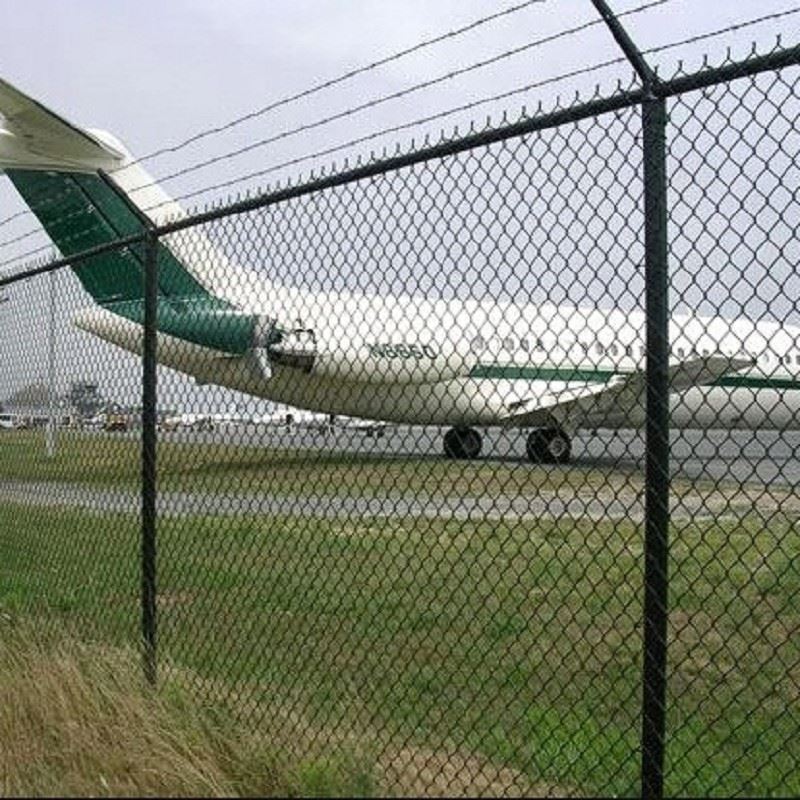
- Airport Security Fence: Airport security fences are built to meet strict safety and security standards. They are usually taller and more robust than other types of temporary fences, with features such as anti-climbing spikes and reinforced frames. Transporting airport security fences requires special care and attention to ensure their integrity.
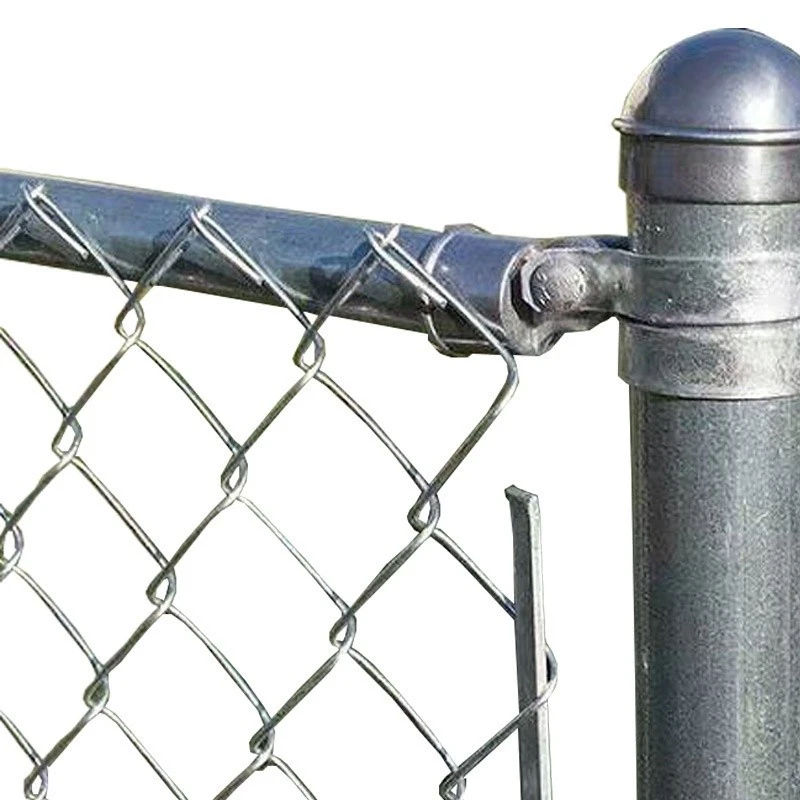
- Chain Mesh Fence: Chain mesh fences are one of the most common types of temporary steel fences. They are made of interconnected steel wires in a diamond pattern, providing a flexible and cost-effective solution for various applications. Chain mesh fences are lightweight and easy to handle, making them relatively straightforward to transport.
Preparing the Fences for Transportation
Proper preparation is key to ensuring the safe transportation of temporary steel fences. Here are some steps to follow:
- Inspect the Fences: Before loading the fences onto the transport vehicle, conduct a thorough inspection to check for any damage or defects. Look for bent or broken sections, loose wires, or missing components. Repair or replace any damaged parts to prevent further issues during transportation.
- Clean the Fences: Remove any dirt, debris, or rust from the fences to prevent corrosion and damage during transit. Use a mild detergent and water to clean the surfaces, and dry them thoroughly before packing.
- Disassemble if Necessary: If the fences are modular or can be disassembled, consider taking them apart to reduce their size and make them easier to transport. Label each component clearly to ensure easy reassembly at the destination.
- Pack the Fences Securely: Use appropriate packing materials, such as plastic wrap, bubble wrap, or cardboard, to protect the fences from scratches, dents, and other damage. Secure the packing materials with tape or straps to prevent them from coming loose during transportation.
- Stack the Fences Properly: When stacking the fences, ensure that they are stable and balanced to prevent them from toppling over. Place heavier fences at the bottom and lighter ones on top, and use spacers or padding to separate the layers.
Choosing the Right Transport Vehicle
The choice of transport vehicle depends on several factors, including the size and weight of the fences, the distance to the destination, and the terrain. Here are some options to consider:
- Truck: Trucks are the most common choice for transporting temporary steel fences. They offer a large carrying capacity and can be easily maneuvered on various types of roads. When choosing a truck, consider the size and weight of the fences, as well as the type of trailer or flatbed required.
- Trailer: Trailers can be attached to trucks or other vehicles to increase their carrying capacity. They come in various sizes and configurations, including flatbed trailers, enclosed trailers, and tilt trailers. Choose a trailer that is suitable for the size and weight of the fences, and ensure that it is properly secured to the vehicle.
- Container: Containers are a good option for transporting large quantities of temporary steel fences over long distances. They provide a secure and weatherproof environment for the fences, and can be easily loaded and unloaded using a crane or forklift. When using a container, ensure that it is properly ventilated to prevent moisture buildup and corrosion.
Loading and Unloading the Fences
Loading and unloading the fences require careful planning and execution to ensure their safety and integrity. Here are some tips to follow:
- Use the Right Equipment: Use appropriate equipment, such as a crane, forklift, or pallet jack, to load and unload the fences. Ensure that the equipment is in good working condition and that the operators are trained and certified.
- Follow Safety Procedures: Follow all safety procedures when loading and unloading the fences, including wearing appropriate personal protective equipment (PPE) such as gloves, safety glasses, and hard hats. Use caution when handling the fences to prevent injuries.
- Secure the Fences: Once the fences are loaded onto the transport vehicle, secure them properly to prevent them from shifting or falling during transit. Use straps, chains, or other securing devices to hold the fences in place.
- Unload the Fences Carefully: When unloading the fences, use the same equipment and safety procedures as when loading them. Take care not to damage the fences or the surrounding area.
Transportation Considerations
In addition to the above steps, there are several other considerations to keep in mind when transporting temporary steel fences:
- Weather Conditions: Avoid transporting the fences in extreme weather conditions, such as heavy rain, snow, or high winds. These conditions can damage the fences and make them more difficult to handle.
- Traffic and Road Conditions: Plan your route carefully to avoid traffic congestion, road construction, and other obstacles. Allow plenty of time for the journey to ensure that you arrive at the destination on schedule.
- Insurance: Ensure that the fences are insured during transportation to protect against any damage or loss. Check with your insurance provider to determine the appropriate coverage for your needs.
- Documentation: Keep all necessary documentation, such as bills of lading, packing lists, and insurance certificates, with you during transportation. This will help to ensure a smooth and hassle-free delivery.
Conclusion
Transporting a temporary steel fence requires careful planning, preparation, and execution. By following the tips and best practices outlined in this blog post, you can ensure the safe and efficient transportation of your fences to their destination. If you have any questions or need further assistance, please don't hesitate to contact us. We're here to help you with all your temporary steel fence needs.
References
- American Fence Association. (n.d.). Fence Installation and Maintenance Guide. Retrieved from [Website URL]
- National Association of Home Builders. (n.d.). Building Codes and Standards for Fences. Retrieved from [Website URL]
- Steel Manufacturers Association. (n.d.). Steel Fence Products and Applications. Retrieved from [Website URL]


