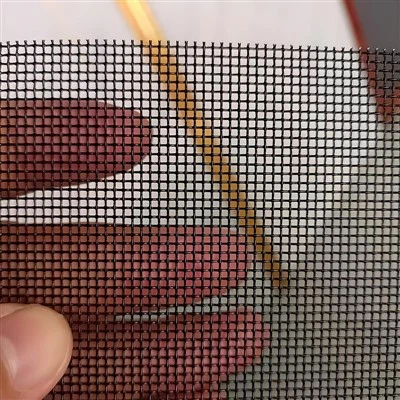

As a supplier of Tennis Court Mesh Fencing, I've seen firsthand the importance of ensuring the stability of these fences. A stable tennis court mesh fence not only enhances the safety of players but also adds to the overall aesthetic appeal of the court. In this blog, I'll share some tips on how to make sure your tennis court mesh fencing stays in top - notch condition.
1. Choose the Right Type of Mesh Fencing
There are several types of mesh fencing available in the market, and each has its own pros and cons. For instance, the Chain Mesh Fence is a popular choice. It's flexible, easy to install, and relatively inexpensive. The chain - link design allows for good visibility, which is great for spectators.
On the other hand, Highway Wire Mesh Fence is known for its high strength and durability. It can withstand harsh weather conditions and heavy impacts, making it a great option for tennis courts that see a lot of action.
The 3D Welded Wire Mesh Fence offers a more rigid structure. The welded joints provide extra stability, and it can be customized to fit different court sizes and shapes. When choosing the right mesh fencing for your tennis court, consider factors like the location of the court, the level of play, and your budget.
2. Proper Installation is Key
Even the best - quality mesh fencing won't be stable if it's not installed correctly. First, make sure the ground is level. Uneven ground can cause the fence to lean or even collapse over time. Use a level to check the ground before you start digging the post holes.
When installing the posts, they should be buried deep enough. A general rule of thumb is to bury the posts at least one - third of their length in the ground. This provides a solid foundation for the fence. Use concrete to secure the posts in place. Make sure the concrete is mixed properly and allowed to set completely before attaching the mesh.
When attaching the mesh to the posts, use high - quality fasteners. Galvanized wire or clips are good options as they are resistant to rust and corrosion. Make sure the mesh is pulled tight and evenly spaced to prevent sagging.
3. Regular Maintenance
Regular maintenance is crucial for the stability of tennis court mesh fencing. Inspect the fence regularly for any signs of damage, such as loose wires, bent posts, or rust. If you notice any issues, address them immediately.
Clean the mesh regularly to remove dirt, debris, and any other contaminants. You can use a mild detergent and a soft brush to clean the mesh. Rinse it thoroughly with water. This not only keeps the fence looking good but also helps prevent rust and corrosion.
Check the fasteners periodically to make sure they are still tight. Over time, vibrations from the wind or the impact of tennis balls can cause the fasteners to loosen. Tighten any loose fasteners as needed.
4. Consider the Environmental Factors
The environment can have a significant impact on the stability of tennis court mesh fencing. If your court is located in an area with high winds, you may need to take extra precautions. Install windbreaks or use heavier - gauge mesh to reduce the wind load on the fence.
In areas with heavy rainfall or snow, make sure the fence has proper drainage. Standing water can cause the posts to rot and the mesh to rust. You can also apply a protective coating to the mesh to prevent corrosion.
If the court is in a coastal area, the salt in the air can accelerate corrosion. Choose a mesh fencing that is specifically designed to resist saltwater corrosion, such as a galvanized or powder - coated mesh.
5. Reinforcement
For added stability, you can reinforce the tennis court mesh fencing. One way to do this is by adding diagonal braces to the posts. Diagonal braces help distribute the weight and stress evenly across the fence, making it more resistant to impacts.
You can also install additional support posts at regular intervals. This is especially useful for larger tennis courts or areas where the fence is more likely to be subjected to heavy impacts.
6. Training and Education
If you have a team of maintenance staff or players who use the tennis court, it's important to provide them with training on how to maintain the fence. Teach them how to identify signs of damage and how to perform basic maintenance tasks.
Encourage players to be mindful of the fence when playing. Remind them not to lean on the fence or use it as a support. This can help prevent unnecessary damage to the fence.


Conclusion
Ensuring the stability of tennis court mesh fencing is a multi - faceted process. By choosing the right type of fencing, installing it correctly, performing regular maintenance, considering environmental factors, adding reinforcement, and providing training, you can keep your tennis court mesh fencing in great condition for years to come.
If you're in the market for high - quality tennis court mesh fencing, we're here to help. We offer a wide range of fencing options to suit your needs and budget. Whether you need a simple chain - link fence or a more heavy - duty welded wire mesh fence, we've got you covered. Contact us to discuss your requirements and start the procurement process.
References
- General knowledge from years of experience in the tennis court mesh fencing industry.
- Industry standards and best practices for mesh fencing installation and maintenance.