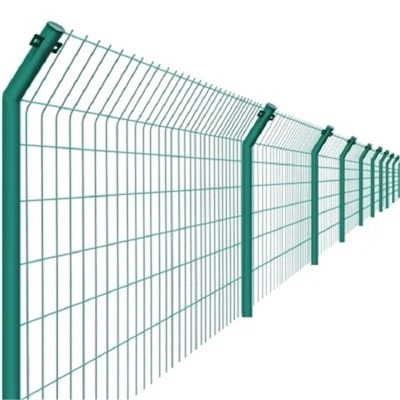

As a supplier of Tennis Court Mesh Fencing, I am often asked whether this type of fencing can be used for fencing around a tennis stadium. This is a question that requires a comprehensive analysis from multiple perspectives, including functionality, durability, and cost - effectiveness.
Functionality
Tennis court mesh fencing is primarily designed to contain tennis balls within the playing area. Its mesh structure allows for good visibility, which is crucial for both players and spectators. When it comes to a tennis stadium, the same functionality can be extended. The mesh fencing can prevent tennis balls from flying out of the stadium during matches, ensuring the safety of the surrounding areas and the smooth progress of the game.
Moreover, the visibility provided by the mesh fencing is beneficial for spectators. They can clearly watch the games from outside the stadium, enhancing the overall spectator experience. This is in contrast to solid fences that may block the view. For example, in large - scale tennis tournaments, spectators who cannot get inside the stadium can still enjoy the matches to some extent by watching through the mesh fencing.
Durability
Tennis court mesh fencing is typically made of high - quality materials such as galvanized steel or aluminum. These materials are resistant to corrosion, rust, and weather conditions. In a tennis stadium environment, where the fencing is exposed to various weather elements like rain, sun, and wind, the durability of the mesh fencing is of utmost importance.
Galvanized steel mesh fencing, for instance, has a protective zinc coating that prevents rust formation. This ensures that the fencing can withstand long - term exposure to the elements without significant degradation. Aluminum mesh fencing is also a popular choice due to its lightweight nature and high corrosion resistance. It can maintain its structural integrity even in harsh weather conditions, making it suitable for long - term use around a tennis stadium.


Cost - Effectiveness
One of the key advantages of using tennis court mesh fencing for a tennis stadium is its cost - effectiveness. Compared to other types of fencing materials, such as brick or concrete walls, mesh fencing is generally more affordable. It requires less material and labor for installation, which can significantly reduce the overall cost of fencing a large - scale tennis stadium.
In addition, the maintenance cost of mesh fencing is relatively low. Since it is resistant to corrosion and damage, there is no need for frequent repairs or replacements. This long - term cost - saving feature makes it an attractive option for stadium owners and operators.
Aesthetic Appeal
Tennis court mesh fencing can also contribute to the aesthetic appeal of a tennis stadium. Its modern and sleek design can blend well with the overall architecture of the stadium. The mesh structure gives a sense of openness and transparency, which is in line with the spirit of sports and the need for a dynamic and engaging environment.
Installation and Flexibility
Tennis court mesh fencing is relatively easy to install. It can be customized to fit the specific shape and size of the tennis stadium. Whether the stadium has a circular, rectangular, or irregular shape, the mesh fencing can be adjusted accordingly. This flexibility makes it a practical choice for fencing around tennis stadiums.
Comparison with Other Fencing Options
When considering fencing options for a tennis stadium, it is important to compare tennis court mesh fencing with other alternatives. For example, Mobile Security Fence is a type of fencing that is more suitable for temporary or mobile applications. While it can provide security, it may not have the same aesthetic appeal or long - term durability as tennis court mesh fencing.
Zinc Steel Fence is another option. It is also durable and corrosion - resistant, but it may be more expensive and less flexible in terms of installation compared to tennis court mesh fencing.
Potential Challenges
Although tennis court mesh fencing has many advantages for fencing around a tennis stadium, there are also some potential challenges. For example, in areas with high - speed winds, the mesh fencing may need additional support to prevent it from being damaged. Also, if the stadium is located in an area with a high risk of vandalism, extra security measures may need to be taken.
Conclusion
In conclusion, tennis court mesh fencing can be an excellent choice for fencing around a tennis stadium. Its functionality, durability, cost - effectiveness, aesthetic appeal, and installation flexibility make it a practical and attractive option. However, it is important to consider the specific requirements and challenges of each stadium before making a decision.
If you are interested in Tennis Court Mesh Fencing for your tennis stadium or have any questions about our products, please feel free to contact us for further discussion and procurement negotiation. We are committed to providing high - quality fencing solutions to meet your needs.
References
- Smith, J. (2020). Fencing Materials and Their Applications in Sports Facilities. Journal of Sports Infrastructure.
- Johnson, A. (2019). Durability and Maintenance of Mesh Fencing in Outdoor Environments. Environmental Science and Technology.