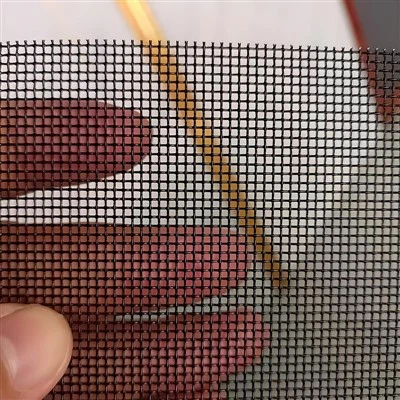

As a supplier of Polyester Window Screens, I often get asked if polyester window screens can be used in casement windows. Well, the answer is a resounding yes! In this blog post, I'll delve into the details of why polyester window screens are a great choice for casement windows, the benefits they offer, and how they stack up against other types of screens.
Why Polyester Window Screens Work Well with Casement Windows
Casement windows are hinged on one side and open outward, much like a door. They're popular because they provide excellent ventilation and a wide, unobstructed view when opened. Polyester window screens are a perfect match for these types of windows for several reasons.
First off, polyester is a durable material. Casement windows are frequently opened and closed, which means the screen is subject to a fair amount of wear and tear. Polyester can withstand this kind of use without easily tearing or fraying. It's also resistant to UV rays, so it won't fade or become brittle over time when exposed to sunlight.
Another advantage is that polyester window screens are lightweight. This is important for casement windows because the screen needs to move smoothly with the window as it opens and closes. A heavy screen could make the window difficult to operate, but polyester screens are light enough not to cause any issues.
Benefits of Using Polyester Window Screens in Casement Windows
Insect Protection
One of the main reasons people install window screens is to keep insects out. Polyester window screens have a fine mesh that effectively blocks insects from entering your home through the casement windows. You can enjoy fresh air without having to worry about mosquitoes, flies, or other bugs buzzing around inside. For a Fine Mesh Insect Screen that offers great insect protection, you can check out our product page.
Visibility
Polyester screens offer high transparency, which means you can still enjoy a clear view of the outside world through your casement windows. Unlike some other types of screens that can distort your view or make it seem hazy, polyester screens provide a crisp and unobstructed view. If you're looking for a High Transparency Window Screen, we've got you covered.
Ventilation
Casement windows are known for their excellent ventilation, and polyester screens don't impede this. The mesh allows air to flow freely through the window, keeping your home cool and fresh. You can open your casement windows wide and let the breeze in, knowing that the screen is still doing its job of keeping insects out.
Low Maintenance
Polyester window screens are easy to clean. You can simply remove them from the casement windows and wash them with a mild detergent and water. They dry quickly, and you can easily reinstall them. This low-maintenance feature makes them a convenient choice for homeowners.
How Polyester Window Screens Compare to Other Types of Screens
There are other materials used for window screens, such as aluminum and fiberglass. Let's see how polyester stacks up against them.
Aluminum Screens
Aluminum screens are strong and durable, but they can be heavy. This can make them a bit cumbersome for casement windows, especially if you have to open and close the window frequently. Aluminum screens are also more prone to rusting if they're exposed to moisture. Polyester, on the other hand, is lightweight and rust-resistant, making it a better option for casement windows.
Fiberglass Screens
Fiberglass screens are popular because they're affordable and offer good visibility. However, they're not as durable as polyester screens. Fiberglass can tear easily, especially if it's accidentally snagged. Polyester screens are more resistant to tearing and can withstand more wear and tear, making them a better long-term investment for casement windows.
Installation of Polyester Window Screens on Casement Windows
Installing polyester window screens on casement windows is a relatively straightforward process. Most polyester screens come with a frame that can be easily attached to the window frame. You'll need a few basic tools, such as a screwdriver and a staple gun.
First, measure the dimensions of your casement window to ensure you get the right size screen. Then, remove the old screen if there is one. Next, attach the new screen frame to the window frame using the provided hardware. Make sure the screen is taut and properly aligned. Finally, trim any excess screen material if necessary.


Maintenance Tips for Polyester Window Screens in Casement Windows
To keep your polyester window screens in good condition, there are a few maintenance tips you should follow.
- Regular Cleaning: As mentioned earlier, clean your screens periodically with a mild detergent and water. This will remove dirt, dust, and debris that can accumulate on the screen.
- Inspect for Damage: Check your screens regularly for any signs of damage, such as tears or holes. If you notice any damage, repair it as soon as possible to prevent it from getting worse.
- Store Properly: If you need to remove the screens during the winter or for any other reason, store them in a dry place. This will prevent them from getting damaged or warped.
Conclusion
In conclusion, polyester window screens are an excellent choice for casement windows. They offer durability, insect protection, high visibility, and good ventilation. They're also easy to install and maintain. If you're in the market for a window screen for your casement windows, I highly recommend considering polyester.
If you're interested in purchasing polyester window screens for your casement windows, feel free to reach out to us for more information and to discuss your specific needs. We're here to help you find the perfect screen for your home.
References
- General knowledge about window screen materials and their properties.
- Experience as a Polyester Window Screen supplier.